China Reshapes the Global Car Industry as Automakers Expand EV and Technology Leadership
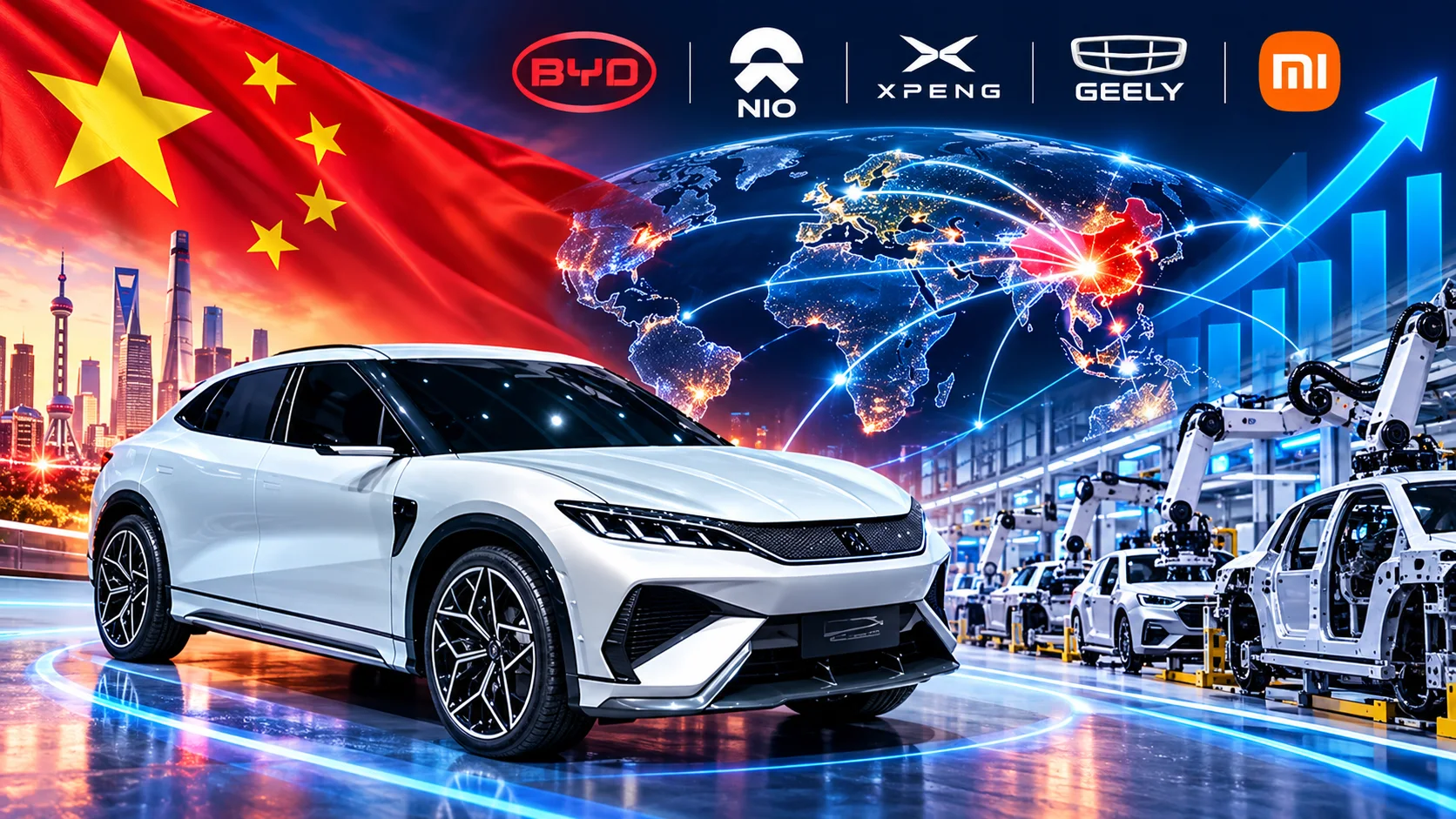
China's automotive industry is increasingly influencing the global vehicle markets as manufacturers expand overseas, strengthen electric-vehicle production and compete on pricing and technology. This trend is creating pressure on established automakers in Europe, Asia and other international markets.
From Domestic Market to Global Expansion
Chinese automakers were once primarily focused on serving the domestic vehicle market. But companies including BYD, Geely, SAIC, NIO and XPeng are now developing vehicles for international markets and expanding their presence outside China.
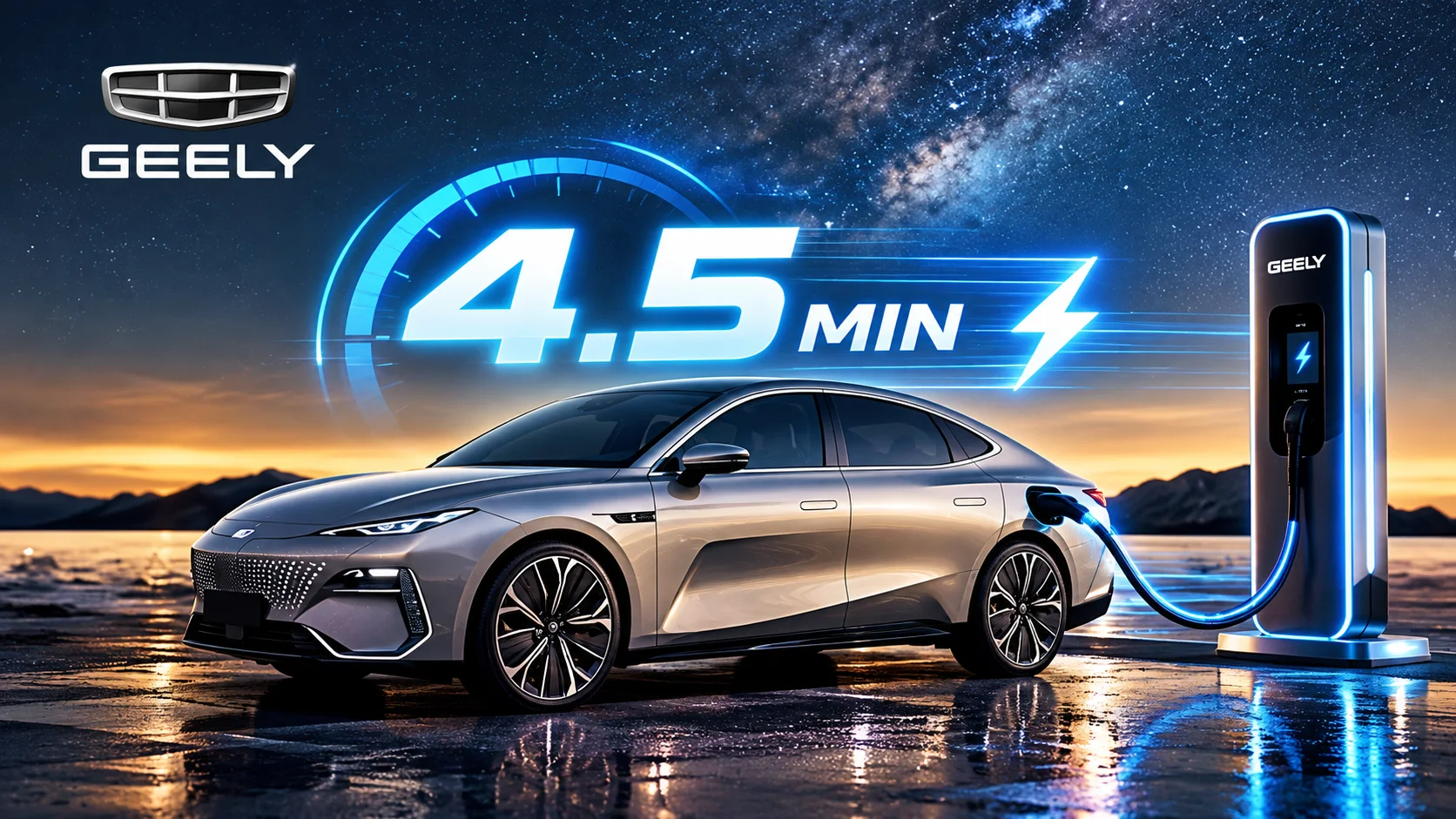
Electric vehicles have been central to this expansion. China's established battery-supply network, fast-charge infrastructure and large-scale vehicle manufacturing base have enabled manufacturers to develop and produce EVs at a relatively low cost.
The industry is also moving beyond battery-electric vehicles. Plug-in hybrids and extended-range electric vehicles have become part of the product strategies of several Chinese manufacturers, providing alternatives for markets where charging infrastructure remains less developed.
Technology and Pricing Drive Competition
Competition within world's largest automotive market has pushed the Chinese manufacturers to introduce new models and technologies at a rapid pace. Software, fast-charge infrastructure for EVs, advanced driver-assistance systems and battery technology have become increasingly important areas of competition.
With the competitive market the pressure on pricing is also significant. Intense competition in China has forced manufacturers to balance lower vehicle prices with increasingly thin margins, while established global automakers face pressure to reduce costs and accelerate product development.
Overseas Expansion Faces Trade Barriers
Chinese automakers' international expansion is about to encounter regulatory and trade barriers. Governments in several major countries are examining tariffs, domestic requirements, subsidies and the potential impact of imported vehicles on domestic manufacturing.
These measures may influence where companies manufacture vehicles and source components. Chinese manufacturers can respond by establishing overseas production facilities or forming partnerships with local companies.
China's growing automotive influence therefore extends beyond vehicle exports. Its battery supply chain, manufacturing capacity and increasingly software-focused vehicle development are becoming important factors in the strategies of global automakers.
What It Means for the Global Auto Industry
The expansion of Chinese manufacturers is pushing international automotive market to a new era. Established automakers must compete not only on vehicle design and manufacturing scale, but also on battery technology, and cost.
The result is a global market in which Chinese manufacturers are increasingly competing directly with established brands across multiple vehicle segments and regions.