Tesla Rolls Out Semi Electric Trucks in Push for 50,000-Unit Capacity
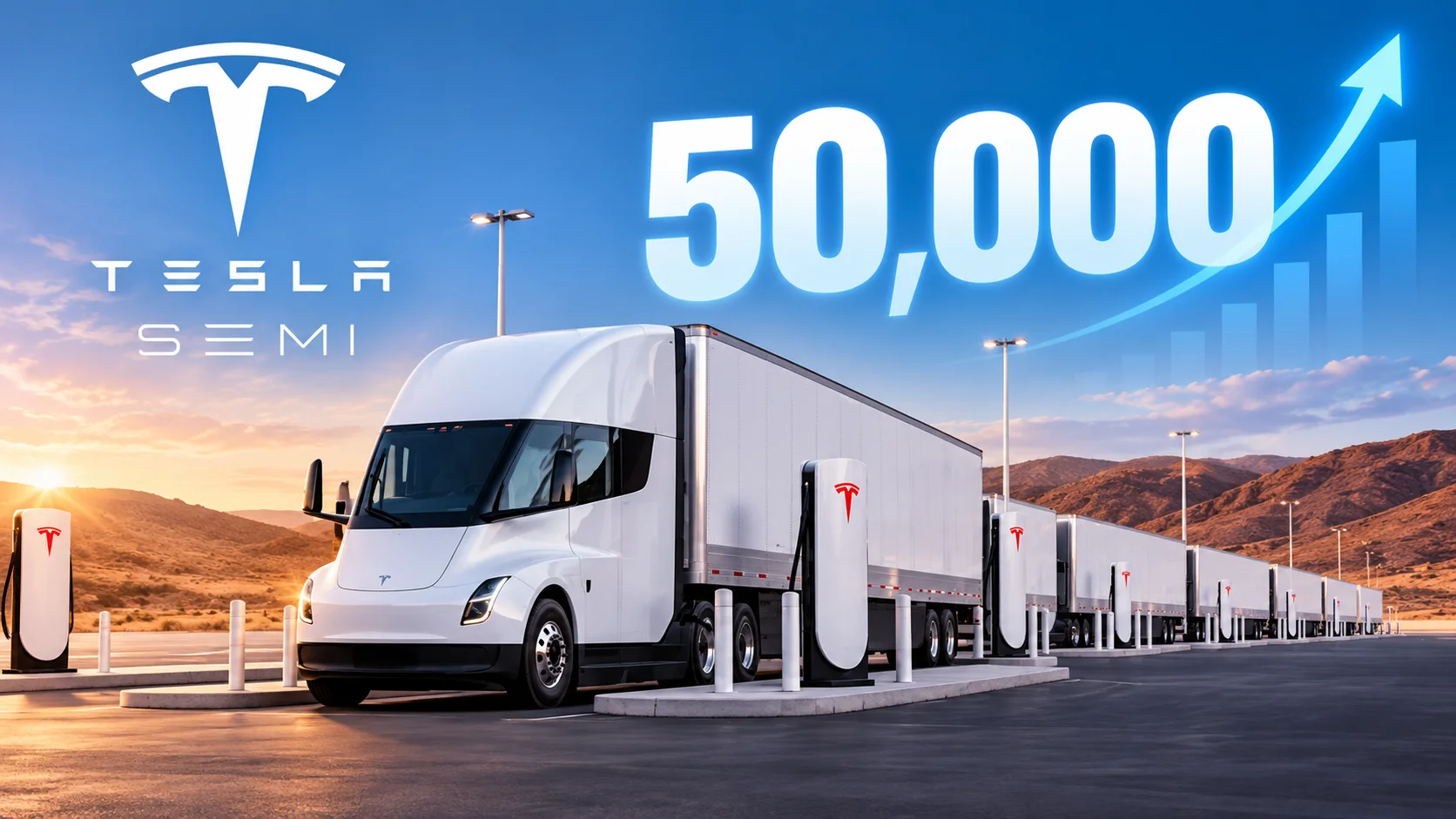
Tesla has started producing its Semi electric trucks, delivering a small number to a handful of first customers from its factory in Sparks, Nevada, nine years after the vehicle was first introduced in 2017 by CEO Elon Musk. The US electric carmaker said it will eventually build 50,000 Semi trucks annually at the Nevada plant but did not specify production volumes or prices at its event on Sept. 24.
The Tesla Semi is one of Tesla's attempts to get a foothold in the commercial freight market, rounding out the electric vehicle offerings to include commercial trucks to go along with its cars and SUVs. It is a semi-electric truck built for freight transport. Tesla says the longer-range version will have a range of up to 500 miles (805 km) with a load, on a full charge, and the standard range version will have a range of about 325 miles (523 km).
The Semi had been scheduled to begin production in 2019 after its reveal event in 2017, but the program was delayed, and the first truck rolled out of a high-volume production line in April 2026. Tesla's July shareholders update said Semi production would start in 2026.
The company has already started the first customer deliveries in the United States since late 2022. Representatives from PepsiCo, DHL and US Foods attended the last Nevada event, with the trucks advertising the three companies' logos that were parked outside the plant.
Customer demand has also grown as Tesla ramps to more of its high-volume production. Tesla has also been garnering demand as it gets close to producing at higher volume levels, with reports that it has received an order for 2,500 trucks this week from a group of large cargo owner companies, including Microsoft and PepsiCo, that is led by clean-transportation nonprofit Catalyst Mobility.
Meanwhile, Swedish freight technology company Einride also announced last month it would buy 500 of the semi electric trucks. The announcements come as demand from commercial customers for trucking with electric heavy-duty vehicles focuses on requirements such as range, charging, payload and total cost of ownership.
The Semi rollout comes amid continued development of heavy vehicle options to diesel-powered trucks across the global trucking industry. Tesla is also looking forward to expand the market in Europe.
The Semi was supposed to have moved away from the limited-volume customer deliveries Tesla began in 2022 and go to the big-volume production line that Tesla has planned for Nevada. When the Semi hits the commercial-truck market, how fast it gets there depends on Tesla's production ramp-up and order-filling progress.